FAQs: Bone Graft for Dental Implants
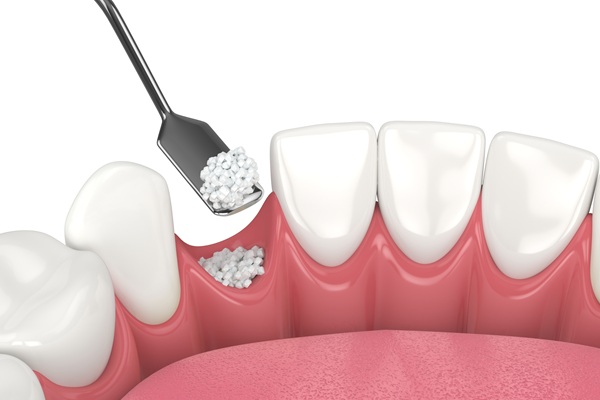
If you’re thinking about dental implants to replace some missing teeth, then you might have heard that bone grafting may be involved in the process. While many factors go into getting dental implants, having all your questions answered before you get ready for the procedure can help set your mind at ease and make things much easier to manage.
In this post, we will answer some of the most frequently asked questions about bone grafting and how it affects dental implants, including how often it is necessary, whether it is painful, the success rate of the procedure, and more. We hope this gives you the information you need to make the right decision for your unique situation.
How is a bone graft done?
When getting dental implants, the purpose of a bone graft is to strengthen and widen the jawbone to make sure that there is enough bone to support the implants. Many patients experience low bone density in the jaw or a narrow jawbone and require this procedure.
A bone graft involves taking a fragment of bone from another area of the patient’s body and fusing it into the jawbone. What this does is spur the jawbone to create new bone growth around the graft, making the entire jawbone thicker and stronger.
It is important to note that it can take anywhere from a few weeks to a few months for the graft to take and for new bone to be created before implants can be successfully installed.
Is the grafting process painful?
Because only a small amount of bone is necessary for the bone graft, the process is typically minimally invasive, and thanks to sedation, patients should expect the procedure to be pain-free. The dentist will generally prescribe pain medication for any soreness or discomfort after the procedure, but the overall pain should be minimal.
Do all dental implants require a bone graft?
While not all dental implants require a bone graft, there are a number of reasons why a bone graft may be necessary, even for young and healthy patients.
A bone graft may be necessary if the patient has had jaw-related injuries that have damaged the shape and structure of the jawbone to where it cannot support implants.
Degenerative conditions that affect bone density can also make it necessary for a bone graft. Over time, bone density can weaken, making the jawbone thinner and unable to support the post for dental implants. Other illnesses and diseases that cause bone loss can be a reason for a bone graft also.
Lastly, advanced gum disease can make it so that a bone graft is necessary as gum erosion can impact the strength and durability of the jawbone underneath.
Is there a risk of complications?
As with any surgical procedure, there is some risk of complications, but the recovery from a bone graft should be fairly straightforward. You will likely experience some pain, soreness, or swelling immediately after the procedure, but this should only last a few days.
The dentist will provide aftercare instructions to make the healing process go as smoothly as possible. However, if you notice that the pain and swelling haven’t stopped after several days, it is good to visit the dentist. Additionally, if you notice excessive bleeding, you should visit the dentist immediately as this may be a sign of a more serious situation such as an infection.
Your dentist should be able to provide you with a care plan to relieve any complications and get you back on the path to recovery, so it’s important to stay in touch with them if you notice anything irregular.
How successful are bone grafts?
Recent studies show that bone grafts are more than 99% successful. Each individual is different, though, so it is important to remember that follow-up care may be necessary in some cases, and the amount of time it takes for the bone graft to work can vary. The total recovery time before the mouth and jaw are ready for the dental implants can vary by the person as well and may depend on their overall health and any outside factors that may affect the jawbone.
Talk to your dentist about bone grafting and dental implants
It's important to take care of your oral health. Before you make the decision to get dental implants, talk with your dentist about your overall oral health and any issues you may have. This will tell you the likelihood of needing bone grafting and any potential complications.
Request an appointment here: https://rimfd.com or call Rim Dental at (210) 693-1939 for an appointment in our San Antonio office.
Check out what others are saying about our dental services on Yelp: Will I Need a Bone Graft for Dental Implants in San Antonio, TX.
Related Posts
Dental implant surgery is one of the most reliable and long-lasting ways to replace missing teeth. However, since this surgery involves inserting an artificial tooth root into the jawbone, it almost always causes some amount of pain. Before undergoing this surgery, many dental patients are worried about the level of pain they may experience afterward…
General dentist support eases anxious minds and guides comfortable care delay avoidance. Dental anxiety affects many people, often causing harmful postponement of routine checkups. Understanding why fear arises and learning proven coping strategies can empower every patient to enter the dental office with confidence.According to a 2017 article published in the Journal of Dental Hygiene…
Are you considering cosmetic dental services to enhance your smile? Read on to learn more about how to discuss your goals with your dentist. A beautiful smile is attractive. In this age of instant messaging and selfies, our smiles are the first and last impressions we make. The popularity of cosmetic dental services has grown.…
A cosmetic dental service evaluation is vital in achieving your dream smile. However, many believe it is the same as the evaluation they receive during their regular dental checkups; it is not. This evaluation will allow you to discuss your dental concerns and overall goals with the dentist and receive expert guidance on the various…