Clear Aligners vs. Braces: Which Straightening Option Fits Your Lifestyle?
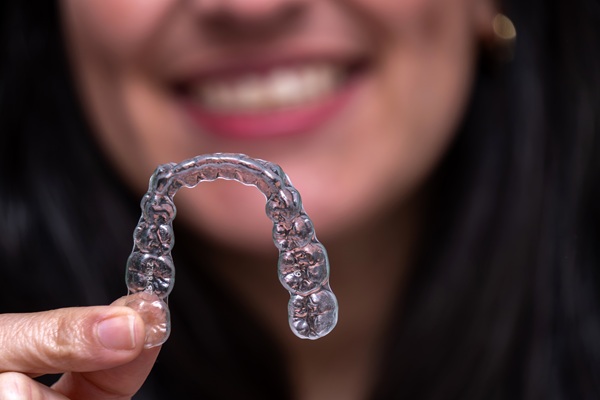
Clear aligners offer a discreet way to straighten teeth, but traditional braces remain a powerful option for many complex bite and alignment concerns that require constant, steady force. Choosing between these methods is less about which option is better and more about which one fits daily habits, comfort needs, and long-term goals. Understanding how each choice affects daily routines helps individuals make confident decisions about their future smile.
How clear aligners and braces move teeth
Clear aligners use a series of custom-made, transparent trays that apply gentle pressure to guide teeth into new positions over several months. These trays are changed on a specific schedule, and the progress of the treatment depends entirely on wearing them for the required amount of time each day. Braces use brackets and wires to apply continuous force, with adjustments made by a dental professional during scheduled office visits. Because braces stay attached to the teeth, the movement continues around the clock without relying on the patient to remember to put them back in.
Both options require professional planning and regular follow-up appointments to ensure everything is moving as expected. Digital scans and X-rays help confirm the starting positions of the teeth and the health of the underlying roots. A thorough evaluation of the bite is essential, as the goal is to achieve not only straight teeth but also a stable and functional way for the upper and lower jaws to meet. A general dentist can determine whether clear aligners are appropriate for the complexity of a specific case or whether braces offer more predictable control for certain movements.
Eating habits and food choices
Food flexibility is one of the most significant differences between these two straightening options. Since clear aligners are removed for every meal, there are typically no restrictions on what a person can eat. However, the teeth should be brushed before the trays go back in to avoid trapping sugar and plaque against the enamel. This means that snacking becomes a more structured event, which might be a challenge for those who enjoy frequent small meals throughout the day.
Braces come with a specific list of foods to avoid because some items can easily break a bracket or bend a wire. Chewy candies, popcorn kernels, and very crunchy snacks can lead to additional office visits if they damage the appliances. Eating with braces often requires taking smaller bites and being more mindful of how one chews, especially during the first few days after an adjustment. These day-to-day differences can influence whether a patient feels clear aligners are a better match for their lifestyle.
Hygiene and maintenance
Keeping the mouth clean is a top priority with both options, but the challenges are quite different. Clear aligners allow for normal brushing and flossing because the trays are removed, making it easy to reach every surface of the teeth. The trays themselves also need regular cleaning to prevent odors or buildup from forming on the plastic. Consistent hygiene is vital because putting a tray over unbrushed teeth can trap harmful bacteria directly against the tooth surface for several hours.
Braces create extra areas where plaque can hide around the brackets and under the wires. Flossing requires more effort and often involves using specialized tools, such as threaders, to get the floss into the right spots. Small interdental brushes and water flossers are often helpful for keeping the gumline healthy during the treatment process. Patients who want to keep their existing brushing routine may lean toward clear aligners, while those who are happy to learn a new hygiene method may do well with either choice.
Making the best decision
Clear aligners often work best for mild to moderate crowding and for those who value a discreet appearance above all else. They are also a great choice for individuals who want to maintain their current flossing and eating habits without major changes. Braces may be the better route for more complex bite corrections or situations where the dental team needs maximum control over every tooth movement. The dentist looks at the current position of the teeth and the lifestyle of the patient before making a final recommendation.
Schedule a consultation
Both clear aligners and braces are excellent tools for creating a healthier and more attractive smile, but the right choice depends on personal habits and oral needs. Clear aligners offer a low-profile look and greater food freedom, while braces provide the continuous force needed for more involved corrections. To learn which option is right for you, contact Rim Dental and schedule a consultation.
Request an appointment here: https://rimfd.com or call Rim Dental at (210) 693-1939 for an appointment in our San Antonio office.
Check out what others are saying about our dental services on Yelp: Clear Aligners in San Antonio, TX.
Related Posts
Modern teeth straightening gives people more choices than metal brackets and wires. Today's options focus on comfort, discretion, and steady results that fit busy routines. Understanding these choices helps set realistic timelines and budgets while keeping expectations clear. With the right plan from a general dentist, teeth straightening can improve bite, speech, and confidence without…
Traditional metal braces have long been the standard for teeth straightening, but advances in orthodontics now offer a more convenient and discreet alternative. Clear aligners gradually shift teeth into place using a series of custom-made trays. Many patients prefer this approach due to convenience and comfort. If you are seeking a way to enhance your…
If your teeth are spaced irregularly, you might not have great self-esteem and may consider trying teeth straightening. Plus, the issue might change your oral hygiene habits. One reason is that food might get stuck in them and be difficult to remove. That can weaken the teeth and gums, leading to complications. Keep reading to…
Clear aligners are an alternative to braces that use clear molded trays instead of metal brackets, wires and elastics. Clear aligners offer patients a less noticeable way to straighten their teeth; however, they also place a slightly greater burden on care and proper usage with the patient.If patients do not follow the outlined instructions for…